


Light Commercial Plumbing for Small Offices: 7 Things to Know
Quick Summary
Light commercial plumbing for small offices covers the water supply, drainage, restroom fixtures, and water heating systems that keep a business open and compliant. It falls between residential work and large industrial systems in complexity. Preventive checks each quarter help catch small problems before they disrupt daily operations.
Check restroom and kitchen faucets, toilets, and supply lines each quarter for drips, running water, and corrosion.
Assign one person to own the quarterly maintenance checklist and keep a dated log of each check.
Determine whether a drain backup affects one fixture or several, since that points to different causes.
Ask providers for written estimates that separate labor, parts, and permit fees before work begins.
Do not ignore a water heater leaking from its base or a temperature-relief valve that is discharging.
Is your office plumbing ready for the next problem?
MZ Plumbing LLC is a licensed, veteran-owned plumber serving light commercial clients in North Idaho.
Table of Contents
What Light Commercial Plumbing Covers for a Small Office
Last Updated: November 15, 2026
Light commercial plumbing for small offices covers the water supply, drainage, restroom fixtures, and water heating systems that keep a business open and compliant. For a typical U.S. office suite, this work falls between a residential job and a large industrial system in complexity.
A small office may have a restroom or two, a kitchenette or break room sink, a water heater serving those fixtures, and a shared drain line that connects to a larger building sewer. Each of these systems can fail in ways that disrupt daily operations.
How it differs from residential plumbing
Light commercial work uses the same trades as residential plumbing, but the scale, layout, and consequences differ.
Commercial buildings also carry more regulatory weight: plumbing is subject to the locally adopted plumbing code, inspection requirements for permitted work, and accessibility rules for restroom fixtures.
Priorities also shift. A homeowner often wants the lowest immediate cost; a business owner weighs downtime, staff disruption, and the risk of a repeat failure. That shapes how we recommend repairs.
Small Office Plumbing Maintenance Checklist
Preventive maintenance is the most practical way to avoid emergency calls in a small office, and it is the part of light commercial plumbing most service pages skip. Most problems start small: a faint drip, a toilet that runs after flushing, or a water heater that takes longer to produce hot water.

Use this checklist each quarter, and assign one person to own it so it actually gets done:
Check restroom and kitchen faucets for drips, loose handles, and slow-closing valves. A faucet that drips after the handle is closed usually needs a cartridge or seat, not a whole fixture.
Run each toilet and look for continuous running after the flush cycle. A running toilet is often a worn flapper or fill valve and wastes water every hour the office is closed.
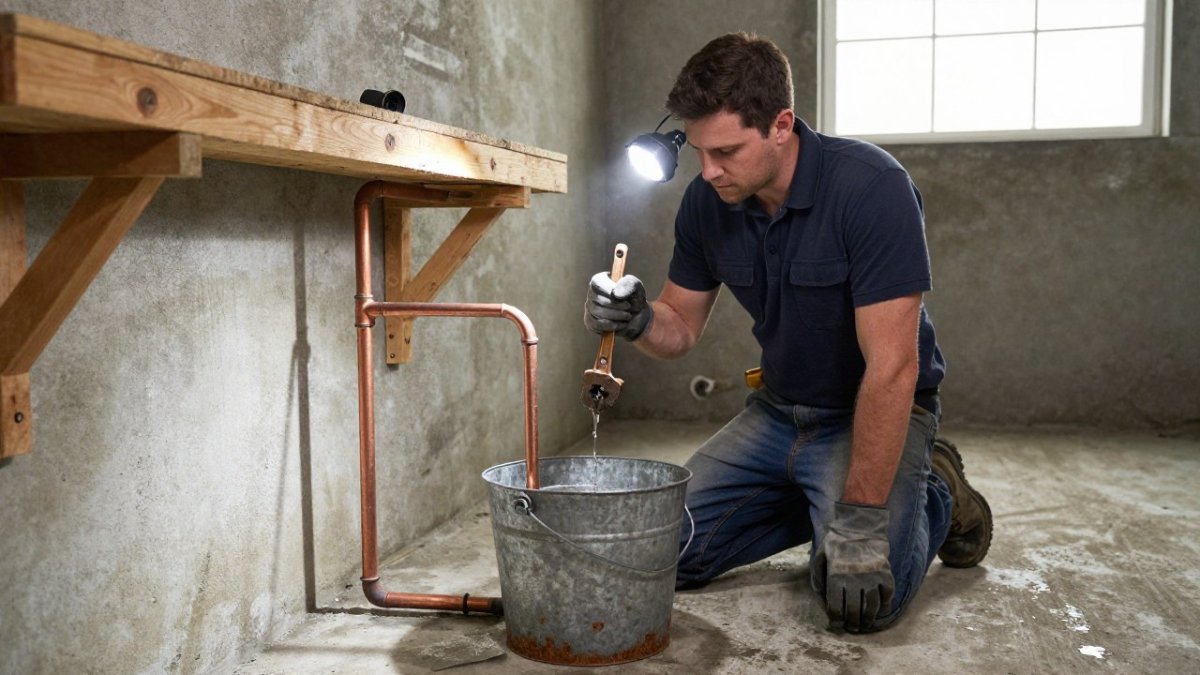
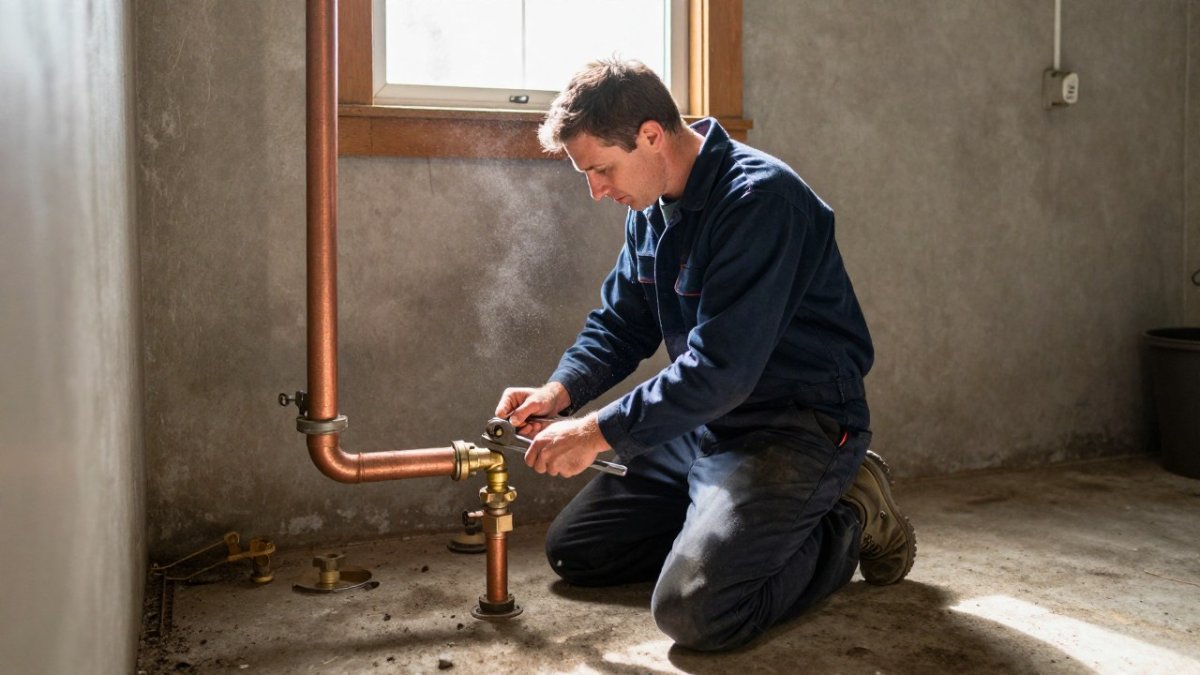
Inspect visible supply lines and shutoff valves under sinks and behind toilets for moisture, corrosion, or crust. A valve that will not turn by hand is a repair waiting to happen.
Pour water down floor drains and sinks to confirm they empty at normal speed. Floor drains can dry out and let sewer gas in; a cup of water restores the trap seal.
Test the water heater's temperature setting and listen for popping or rumbling, which often means sediment has built up on the tank bottom.
Confirm the main shutoff valve turns freely and that staff know where it is. In a shared building, confirm who can reach the building's main shutoff.
Check any backflow prevention devices. Testing intervals and responsibility are set by the local water authority and your building's cross-connection program, so confirm the requirement rather than assume it.
Keep a simple log of each check with the date and anything you noticed. Patterns often point to a problem before it becomes urgent, and the log shows a contractor what has already been tried when you compare quotes.
How to assess a problem before you call
A little triage saves money and downtime. For a leak, close the fixture shutoff first; if water is spreading, close the suite or building main and call for service. For a clog, note whether one fixture or several are backing up: one slow sink usually points to a trap or branch line, while multiple fixtures backing up suggests a blockage farther down the main line and is not a job for a plunger. For a fixture failure, note whether water is still running and whether the shutoff holds.
Landlord, tenant, and compliance basics
In a leased office, the lease usually divides responsibility: the landlord often owns the building sewer, water heater, and backflow devices, while the tenant may be responsible for fixtures and clogs caused by use. Read that section before a problem starts, and keep the property manager's after-hours contact with the maintenance log.
Watch out: Do not ignore a water heater that is leaking from the base or the temperature-relief valve.
The checklist below summarises the quarterly checks a small office can run to catch problems early.
Check | What to look for | Why it matters |
Restroom and kitchen faucets | Drips, loose handles, slow-closing valves | Often a cartridge or seat, not a whole fixture |
Toilets | Continuous running after flush | Wastes water every hour the office is closed |
Supply lines and shutoff valves | Moisture, corrosion, crust, stiff valves | A stuck valve is a repair waiting to happen |
Floor drains and sinks | Slow emptying, dry traps | Dry traps let sewer gas in; a cup of water restores the seal |
Water heater | Popping or rumbling, temperature setting | Often means sediment has built up on the tank bottom |
Main shutoff valve | Turns freely, staff know its location | Needed fast in an emergency |
Backflow prevention devices | Testing requirement from local water authority | Testing intervals are set locally, so confirm them |
Commercial Drain Cleaning and Repair Priorities
Drain problems in an office are rarely random. Paper towels, grease from a break room sink, and sanitary products flushed in a restroom are the most common causes of blockages.
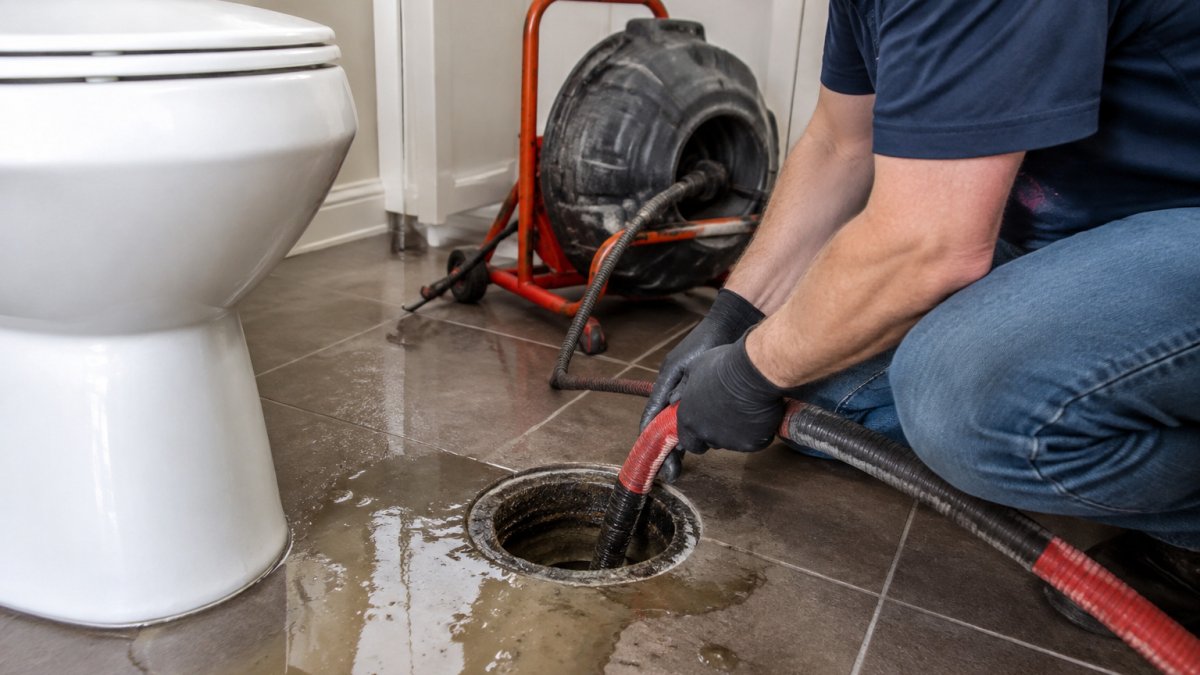
A single slow sink usually points to a clog in the fixture trap or branch line. Multiple fixtures backing up at once suggests a blockage farther down the main line, which may require professional cleaning with a motorized cable or hydro-jetting.
Repair priorities for office drains generally follow this order:
Stop any active overflow or backup and protect the space from water damage.
Restore use of restrooms and the break room, since staff cannot work without them.
Clear the blockage and confirm flow through the line.
Schedule a camera inspection if the problem is recurring or the line is old.
If you want to understand the timing of emergency response, our article on how fast an emergency plumber should arrive explains what to expect. For the prevention side, how to prevent sewer backups in older buildings covers the habits and inspections that reduce repeat failures.
Commercial Water Heater Service and Commercial Plumbing Repair Costs
Water heating is one of the most important systems in a small office with restrooms and sinks, and it is where cost questions come up most often. Our guide on how to flush a tankless water heater explains the basic steps, though a commercial unit may require a licensed technician and the manufacturer's procedure.
For tank units, sediment on the tank bottom reduces efficiency and shortens life; annual draining and flushing is the usual preventive step. Anode rod inspection matters too, because the rod sacrifices itself to protect the tank.
What drives the cost of a repair
We cannot publish specific prices here, because pricing depends on the scope of each job. What we can explain is what drives the number, so you can compare quotes on equal terms:
Access and after-hours timing. A fixture in an open restroom is quick to reach; a water heater in a locked closet or above a ceiling costs more in labor.
Parts and fixture grade. A commercial-grade flush valve or faucet costs more than a residential-grade part but is built for the higher use an office puts on it.
Permits and inspection. Permitted work such as water heater replacement or re-piping adds permit and inspection fees, which should appear as a separate line.
Whether the cause is fixed. Clearing a clog without finding why it recurred often means paying twice. A quote that includes a camera inspection on a recurring line is usually the better value.
Diagnosis versus repair. Some companies charge a diagnostic fee credited toward the repair; ask which applies before work begins.
Our pricing is based on nationwide trade average flat rates. For current pricing and to request a quote, visit our website or call 208-966-2479.
How to compare quotes
Ask each provider for a written estimate that separates labor, parts, and any permit fees, states whether the diagnostic fee is credited, and names the fixture or equipment model being installed. Confirm the company is licensed and insured and that the estimate covers cleanup and haul-away of the old unit.
Repairs generally fall into three groups:
Minor repairs: Faucet cartridges, toilet flappers, and supply line replacement.
Moderate repairs: Water heater element or thermostat replacement, drain line clearing, and shutoff valve replacement.
Major repairs: Water heater replacement, sewer line repair, or re-piping a section of the building.
Ask for a written estimate before work begins so you understand what is included.
Choosing a Commercial Plumber for Your Office and Booking Your First Visit
Not every plumber who handles homes is set up for an office. Before you hire, confirm the company is licensed and insured, has experience with light commercial buildings, and can explain the work in terms of your operations.
Look for these qualities when comparing providers:
A current state license and proof of liability insurance.
Experience with restroom, kitchenette, and water heater work in commercial settings.
Clear written estimates that separate labor, parts, and any permit fees.
A willingness to explain the cause of a problem, not just the fix.
MZ Plumbing LLC is a veteran-owned and operated plumbing company licensed in Idaho under ID LIC#070281, and we offer free estimates upon arrival. Our services page lists the diagnostic and repair work we perform, including tank and tankless water heater service and drain cleaning. When you are ready, book your first visit online or call 208-966-2479 for a free quote.
Frequently Asked Questions
How much does commercial plumbing service cost?
Pricing depends on the scope of the job, how many fixtures or lines are involved, and when the work is needed. MZ Plumbing LLC uses nationwide trade average flat rates, so the price for a defined job is set before work begins. For current rates and a free estimate, call 208-966-2479 or check the pricing page on the MZ Plumbing LLC website. A free estimate is provided when the technician arrives, and you are not obligated to proceed.
How often should a small office schedule plumbing maintenance?
Most small offices benefit from a routine plumbing inspection at least once a year, with more frequent checks for older buildings or sites with heavy restroom or kitchen use. Regular small office plumbing maintenance covers faucet and toilet function, visible leaks, water heater condition, and drain flow. Catching a slow drain or worn supply line early is usually less disruptive than an after-hours emergency.
What is the difference between commercial and residential plumbing?
Light commercial plumbing usually involves more fixtures, higher daily water use, and schedules that must fit around business hours. Office buildings may have shared restrooms, larger water heaters, and drainage that handles more users.
Comments